Algorithmic Refinement of Matched Deposit Offers in Europe's Emerging Mobile Wagering Markets
Written by Lars Ludwig · Oct 17, 2026
Algorithmic Refinement of Matched Deposit Offers in Europe's Emerging Mobile Wagering Markets
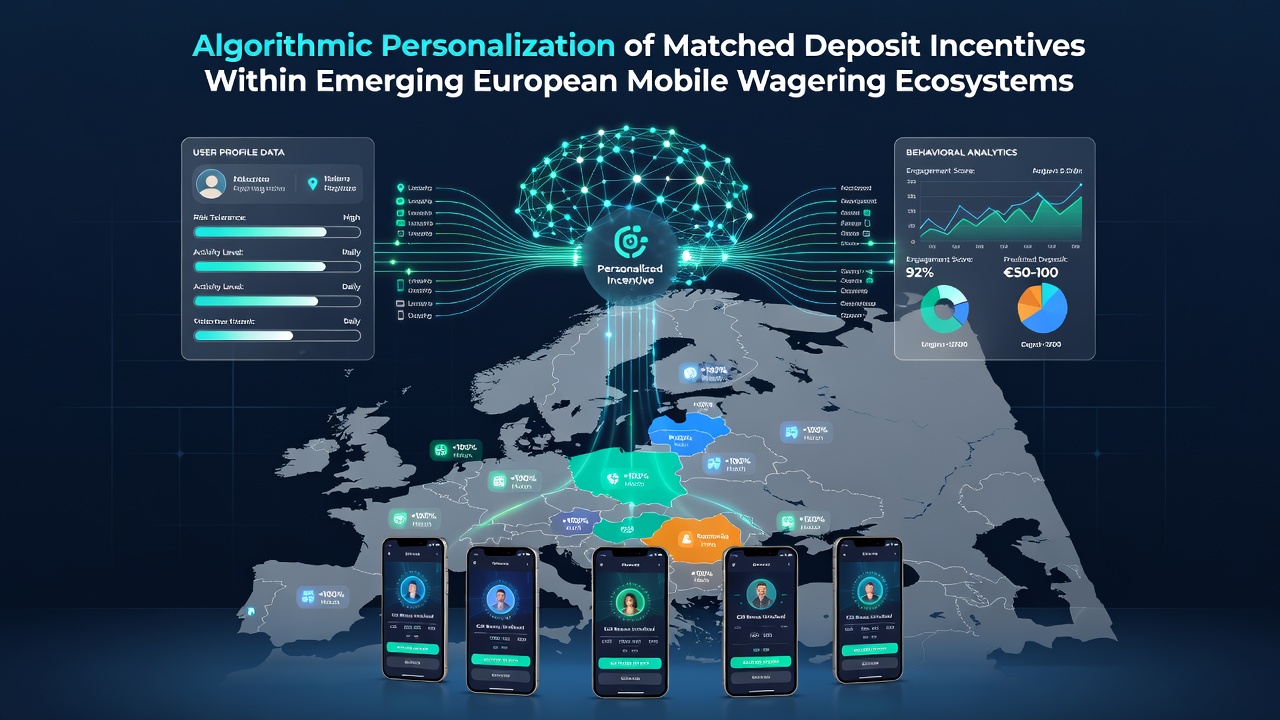
Data shows that algorithmic systems now determine matched deposit incentives for users across several emerging European mobile wagering platforms, and these tools analyze user behavior patterns to adjust bonus structures in real time. Platforms operating in markets that gained regulatory approval after 2024 have adopted machine learning models to calculate deposit matches based on factors such as previous wager frequency, session duration, and deposit history. Researchers at institutions tracking digital entertainment trends note that these systems process thousands of data points per user to generate individualized offers rather than applying uniform percentages across all accounts.
Core Mechanisms Behind the Personalization Process
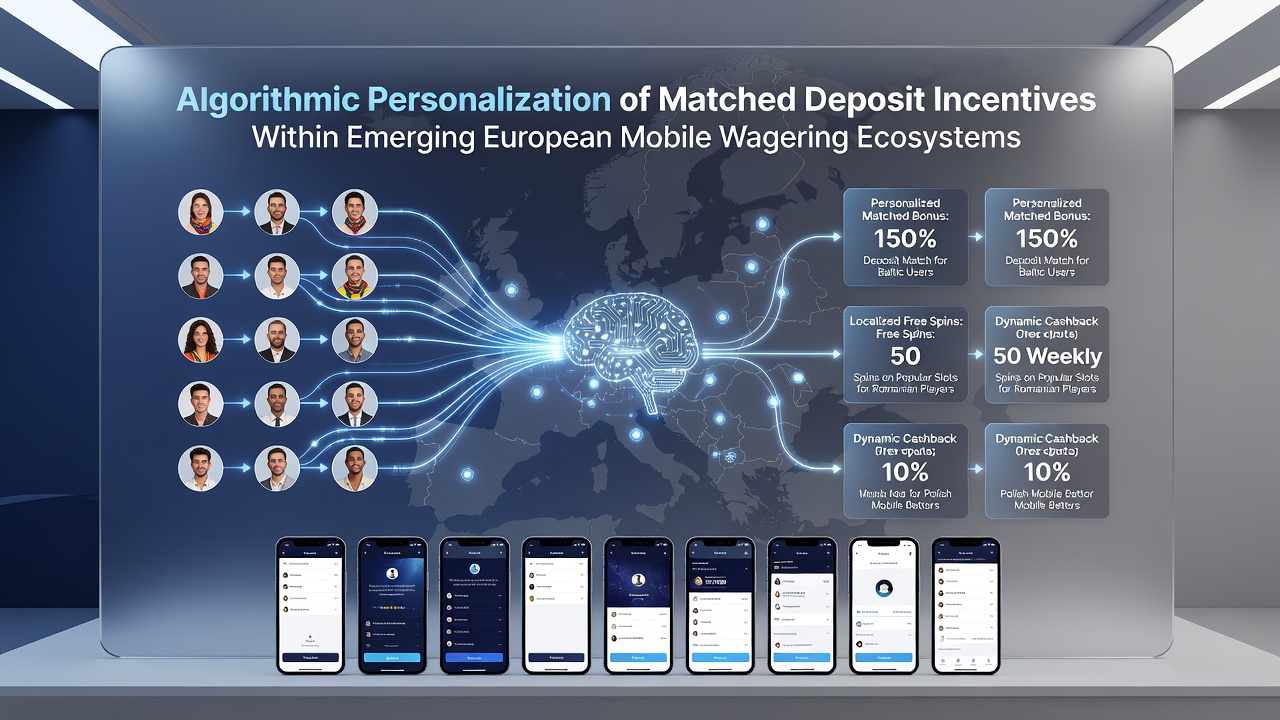
Algorithms evaluate variables including average stake size, preferred sports or games, and timing of deposits to set match rates that range from 50 percent to 150 percent on qualifying amounts. One study of platform operations in Eastern European jurisdictions revealed that models trained on historical engagement data predict the likelihood of repeat deposits within 48 hours and adjust incentive levels accordingly. Operators feed this information into decision trees and neural networks that output specific bonus codes or automatic credits visible only after a user initiates a deposit through the mobile interface. Such customization occurs without manual intervention once the system reaches a confidence threshold on user segmentation.
Regional Implementation Patterns Observed in 2026
By October 2026 several operators in newly regulated Baltic and Balkan markets had integrated these algorithmic tools into their core promotion engines, while similar deployments appeared in select Western European test programs. Figures from industry reports indicate that personalized matches increased average deposit values by measurable margins compared with static bonus structures used in earlier years. Platforms collect location data, device type, and time-of-day patterns to refine offers further, creating sequences where an initial matched deposit triggers follow-up incentives calibrated to the user's response rate. Observers note that these sequences often span multiple sessions and link to loyalty tiers that unlock additional match percentages after sustained activity thresholds are met.
Data Inputs and Model Training Approaches
Training datasets incorporate anonymized transaction logs, clickstream records, and outcome feedback from prior promotions to improve prediction accuracy over successive iterations. External sources such as weather patterns or major sporting events sometimes enter the models as contextual variables that influence offer timing and size. A report issued by the European Gaming and Betting Association highlighted how certain operators achieved retention gains when algorithms prioritized users showing early signs of churn. These systems continuously retrain on fresh data streams, allowing match values to shift daily or even hourly depending on aggregate platform metrics and individual user trajectories.
Security protocols require that personal data remains encrypted during processing, and platforms must comply with regional data protection rules that govern automated decision-making. Experts tracking compliance have documented audit trails that record every variable considered when an algorithm generates a specific matched deposit proposal. This documentation supports regulatory reviews and helps operators demonstrate that offers remain within permitted promotional boundaries.
Effects on User Progression and Platform Metrics
Analyses of user journeys indicate that tailored deposit matches frequently accelerate movement through reward ladders, with some accounts reaching higher loyalty tiers within weeks rather than months. Data from multiple operators shows correlations between personalized incentive sequences and extended session lengths, although causation remains subject to further controlled studies. In markets where multiple platforms compete for the same user base, algorithmic differentiation has become a competitive factor that influences which services retain active depositors over longer periods. Those who have examined cross-platform behavior report that users sometimes receive simultaneous offers from several operators, each calibrated to their individual profiles, which creates a landscape of competing personalized promotions.
Regulatory and Technical Considerations
Emerging European frameworks require operators to disclose the existence of automated personalization in terms and conditions, and some jurisdictions mandate opt-out mechanisms for users who prefer standard offers. Technical implementations rely on cloud-based machine learning services that scale with user volume, while edge computing elements on mobile devices handle preliminary data filtering to reduce latency. Academic papers published in 2025 and 2026 have begun examining the long-term stability of these models when user populations shift due to seasonal events or regulatory changes. One university-led project tracked engagement metrics across three countries and found consistent patterns in how algorithmic matches interacted with broader retention strategies.
Future Trajectories for Algorithmic Incentive Design
Continued refinement of these systems is expected as more markets finalize licensing regimes and additional datasets become available for training. Integration with real-time payment rails allows matches to appear almost instantaneously after deposit confirmation, further tightening the feedback loop between user action and algorithmic response. Industry participants continue to explore multi-armed bandit approaches and reinforcement learning variants that test small variations in match parameters across user cohorts to optimize outcomes at scale. Figures reveal that operators who maintain robust data governance alongside these tools sustain higher compliance scores during periodic regulatory assessments.
Conclusion
Algorithmic personalization of matched deposit incentives has established itself as a standard operational feature within emerging European mobile wagering ecosystems by October 2026. The combination of behavioral data analysis, real-time adjustment capabilities, and regulatory oversight shapes how platforms deliver these offers to individual users. Continued monitoring by research institutions and industry bodies will track how these systems evolve alongside broader market developments and technological advances.